Ewing's sarcomas are malignant tumours that usually occur in bone. The clinical study INTER-EWING-1 aims to improve the treatment for patients with Ewing's sarcoma.
Ewing sarcomas account for around 2% of all cancers in childhood and adolescence. Most patients are adolescents or young adults.
Treatment methods have improved in recent years. Nevertheless, in 30–40% of patients with Ewing sarcoma, the disease returns after initial treatment (relapse).
Why is the study necessary?
The aim of the INTER-EWING-1 clinical study is to reduce the number of relapses in patients with Ewing sarcoma and increase survival rates. The research questions are whether an additional course of chemotherapy at the end of standard chemotherapy and whether an adjusted radiation dose improve treatment outcomes.
The researchers also want to find out how the different therapies affect quality of life. For this purpose, patients and/or their parents are given questionnaires.
The findings from the study are intended to improve therapy. The goal: fewer relapses and higher survival rates while maintaining the best possible quality of life.
In Switzerland, around 10–15 patients could take part in this clinical study each year.
Who is responsible for the study?
The University of Birmingham in the United Kingdom (sponsor) is responsible for the international conduct of the study. In Switzerland, the Swiss Paediatric Oncology Group (SPOG) is the national sponsor representative responsible for the study.
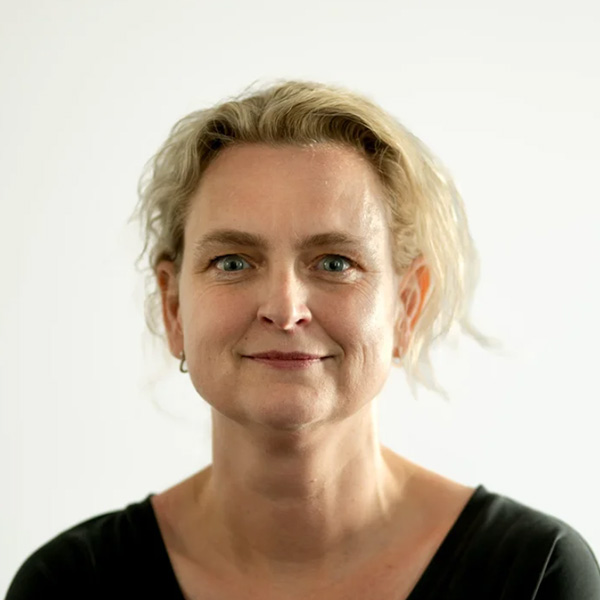
- Swiss study lead: Dr. med. Willemijn Breunis, PhD, University Children’s Hospital Zurich
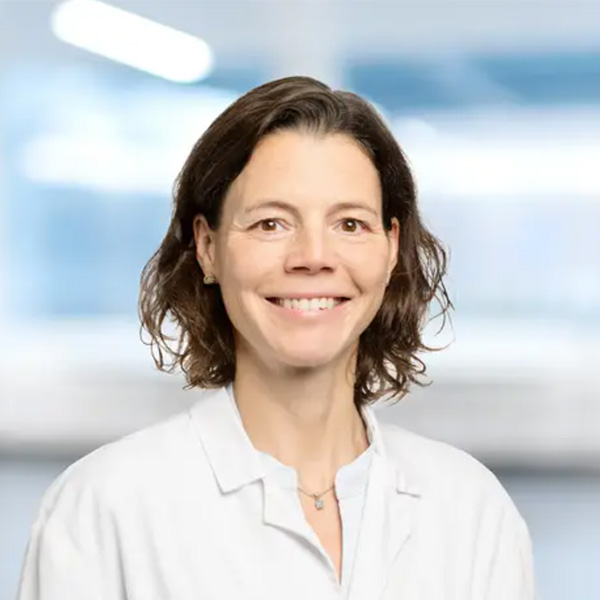
- Deputy Swiss study lead: PD Dr med. et Dr sc. nat. Eva Brack, Inselspital Bern
Contact details for the Swiss sponsor representative:
SPOG Coordinating Centre
Partner Relations
3008 Bern
E-mail: partnerrelations@spog.ch
Tel.: +41 31 389 91 89
In short
-
In 30–40% of patients with Ewing sarcoma, the disease returns after initial treatment.
-
The aim of the INTER-EWING-1 clinical study is to investigate whether an additional course of chemotherapy at the end of standard chemotherapy and an adjusted radiation dose improve treatment outcomes.
-
The findings from the study are intended to improve therapy, reduce relapses, and enhance the quality of life of those affected.
Study team
National Study Chair
Dr. med. Willemijn Breunis, PhD
Senior Physician and Deputy Head of Inpatient Ward, Oncology Department
University Children's Hospital Zurich
Vice National Study Chair
PD Dr. med. Dr. sc. nat. Eva Brack
Senior Physician, Department of Paediatric Haematology and Oncology
Inselspital, University Hospital Berne
Clinical Project Manager
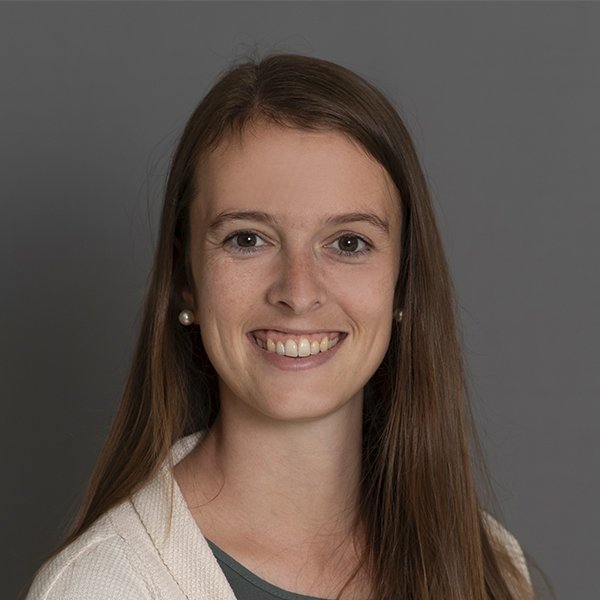
Mirjam Hochstrasser
Clinical Project Manager
SPOG Coordinating Centre
+41 31 508 42 74
E-Mail