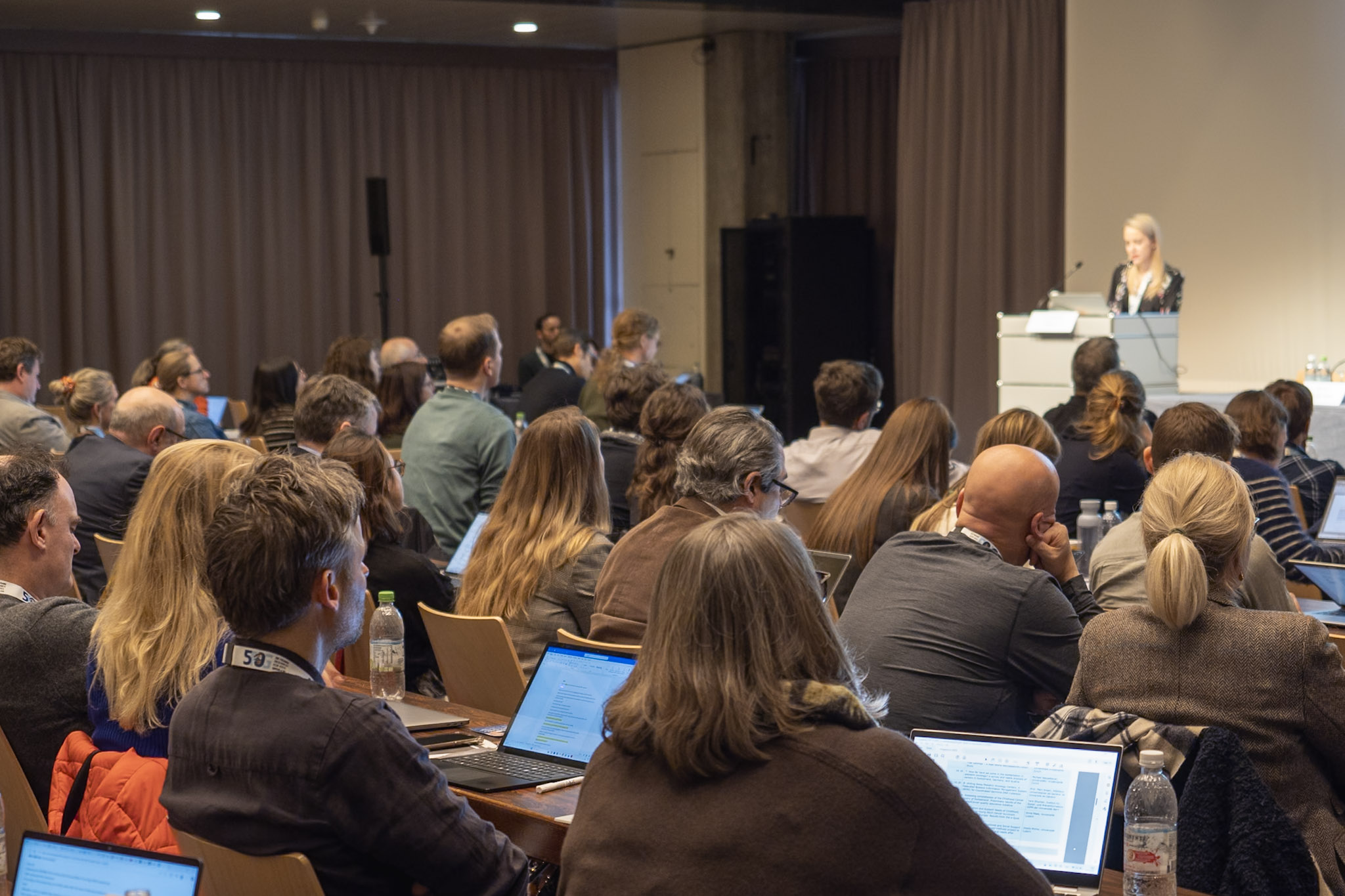
On 16 and 17 January 2026, experts from all over Switzerland gathered at the Palazzo dei Congressi in Lugano for the SPOG SSPHO Scientific Meeting 2026. Jointly organised by the Swiss Paediatric Oncology Group (SPOG) and the Swiss Society of Pediatric Hematology and Oncology (SSPHO), the conference once again provided an important platform for scientific exchange, networking and the promotion of young talent.
Focus on current research and clinical challenges
The two-day programme included numerous presentations and reflected the broad range of topics covered by paediatric oncology and haematology. Among the highlights of the conference were three keynotes that shed light on current developments in the diagnosis and treatment of cancer in children and adolescents.
The event kicked off with a presentation by PD Dr med Brigitte Strahm (KJM Universitätsklinikum Freiburg) on the challenges involved in diagnosing and treating myelodysplastic syndromes, a rare group of blood disorders in children and adolescents. In her presentation, Dr med Susan Halimeh (Gerinnungszentrum Rhein-Ruhr, Duisburg) showed how the treatment of children with haemophilia has developed and how today’s concepts of joint decision-making between doctors and families are being implemented. In the third keynote speech, Dr Kendra Maass (Hopp Children’s Cancer Centre Heidelberg) presented liquid biopsies. This method enables early detection of cancer, monitoring of therapies and control of the course of the disease.
Diversity of scientific contributions
In addition, researchers from member hospitals, the University of Lucerne, the Institute of Social and Preventive Medicine (ISPM) at the University of Bern and the Paul Scherrer Institute (PSI) provided exciting insights into current projects and studies. The contributions covered topics such as thrombosis risks in children with acute lymphoblastic leukaemia, fertility and pregnancy after childhood cancer, digital developments, biobank infrastructure and to psychosocial issues for those affected and their families.
The programme committee, headed by PD Dr med Nicolas Waespe, put together an appealing programme featuring three keynotes, nine long talks and eleven flash talks.
Promoting young talent: SPOG Young Investigator Grant
One session was once again dedicated to young scientists. The researchers who received support from the SPOG Young Investigator Grant in 2025 presented their work. This involved deep learning-based analyses of specific paediatric brain tumours and the investigation of the tumour microenvironment in kidney tumours. The award-winning projects impressively demonstrated the innovative strength of the next generation of scientists.